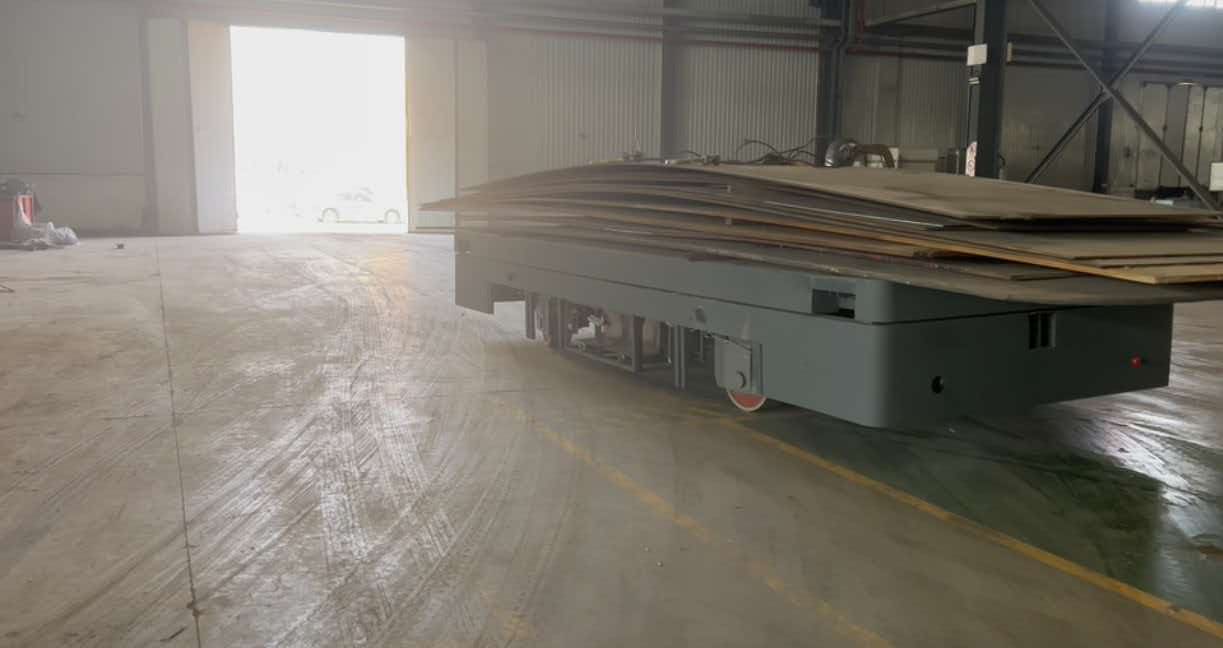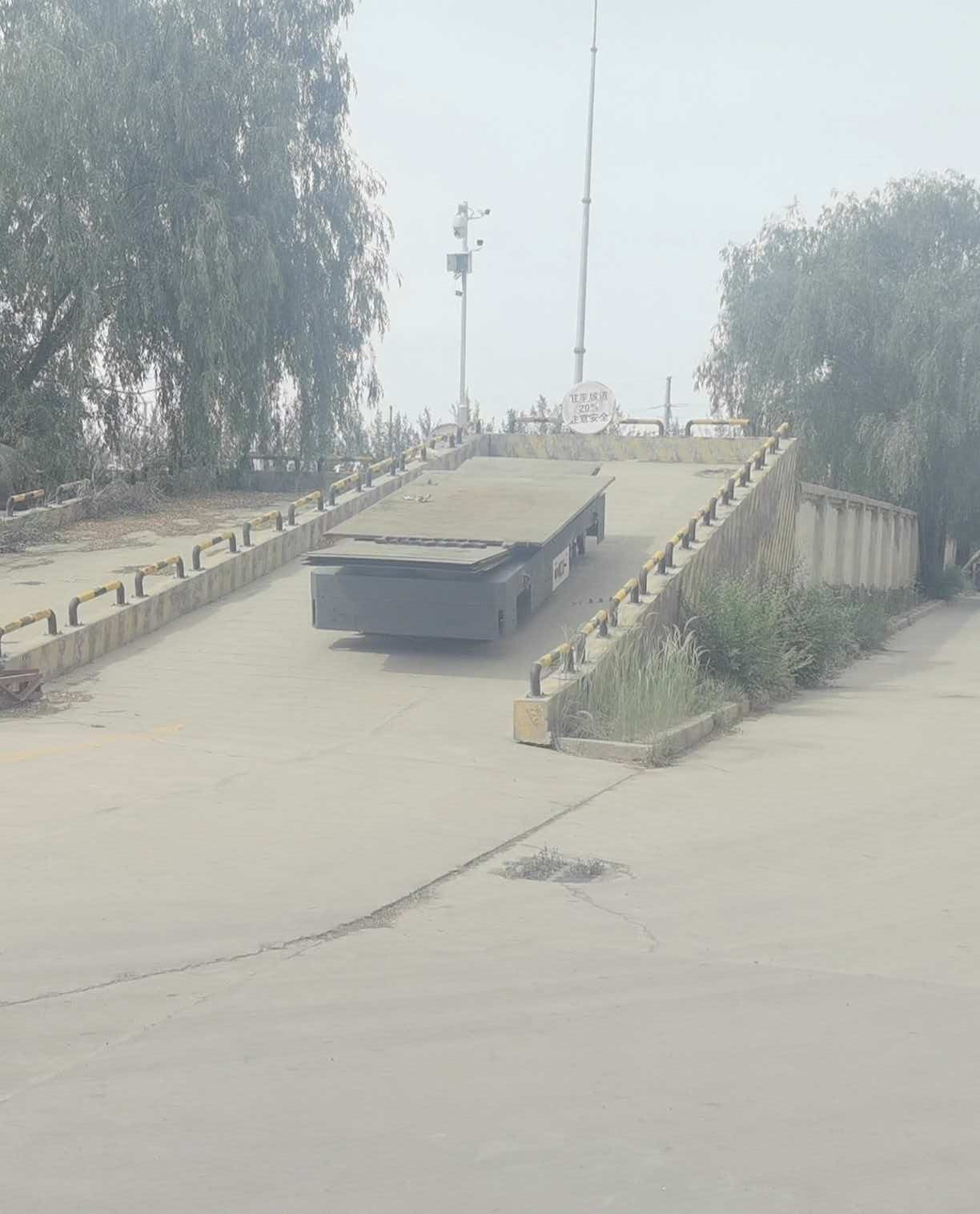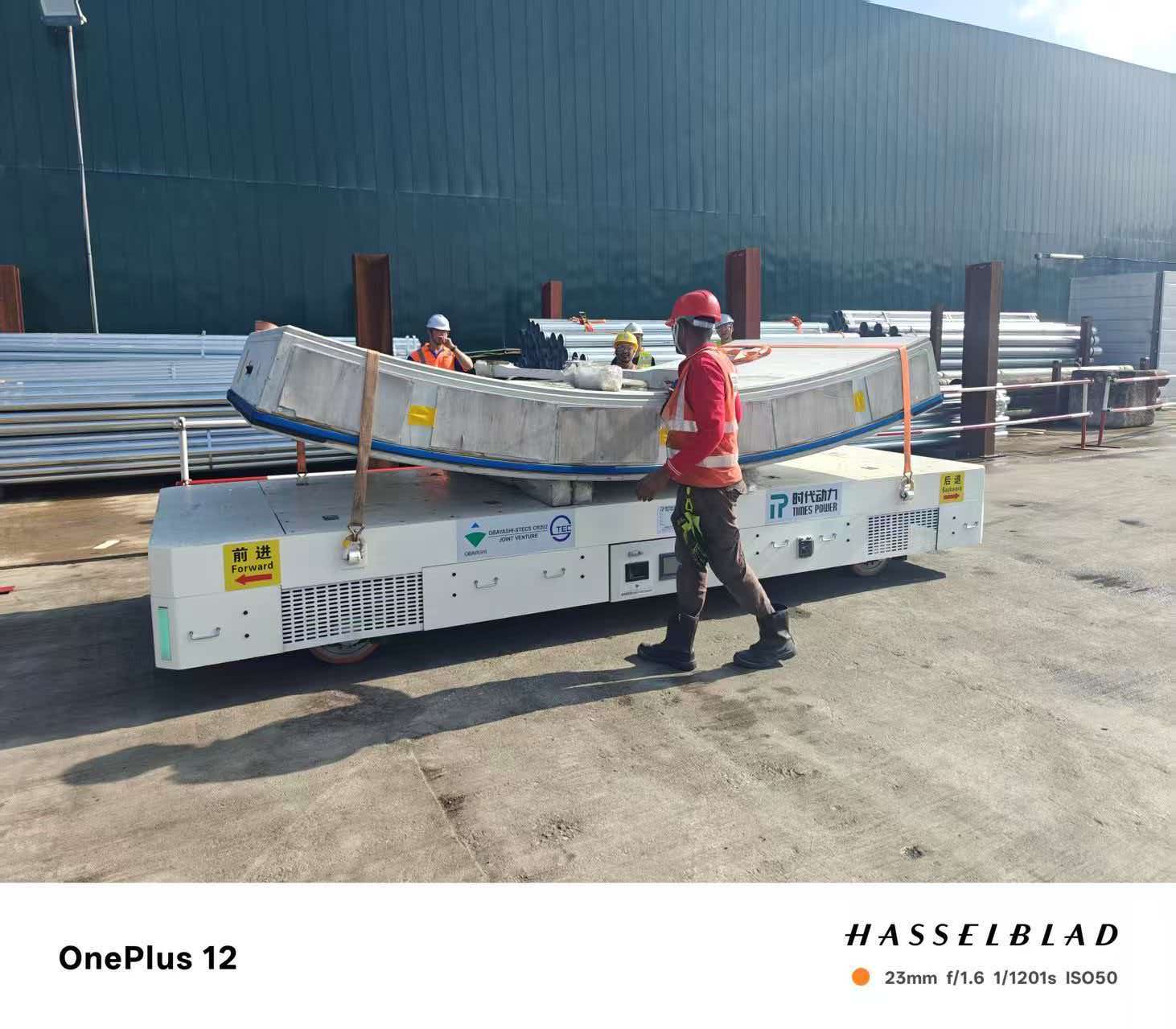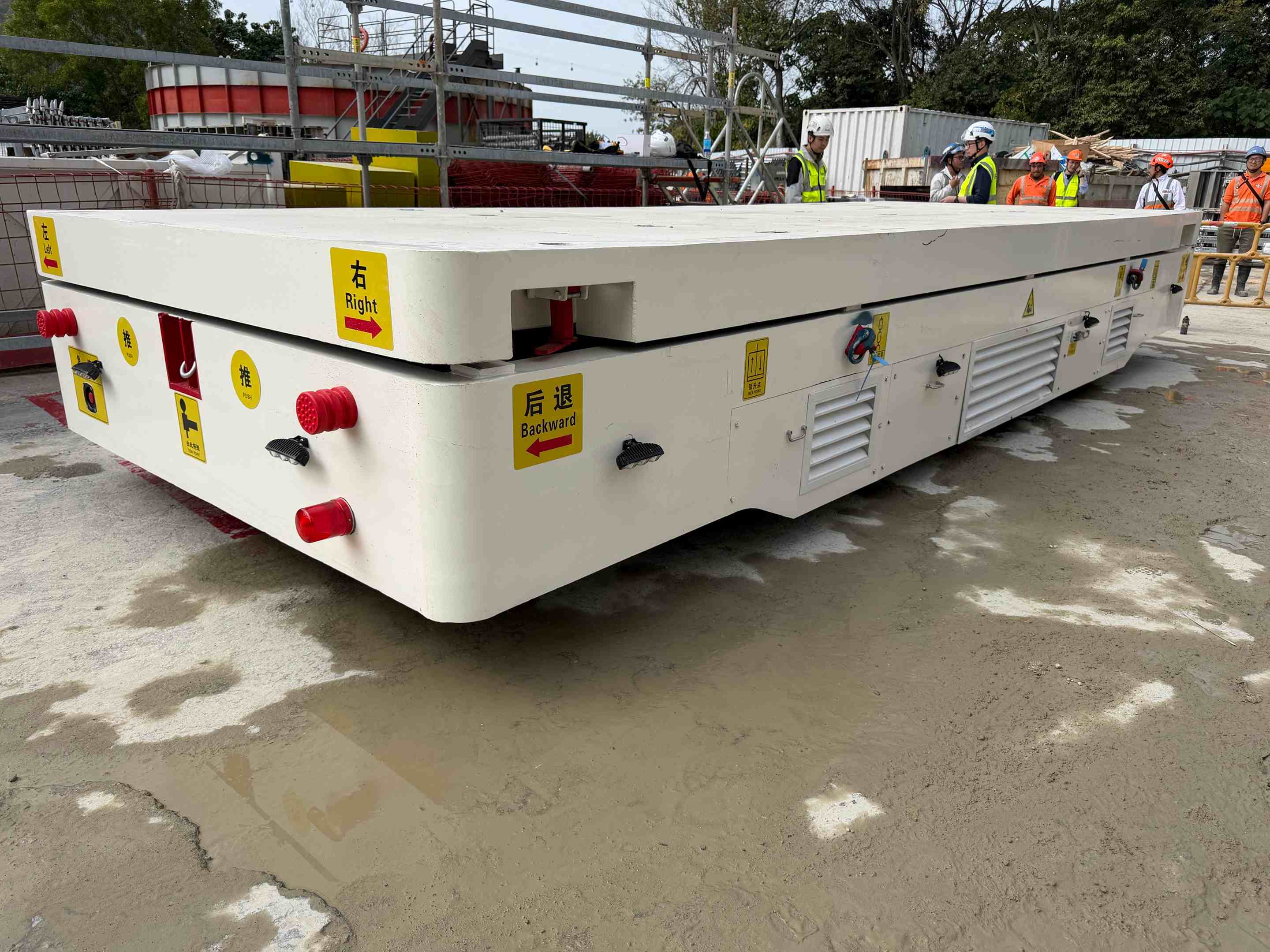
With the acceleration of urbanization and the rapid expansion of rail transit networks, construction transportation equipment, as the core support of rail transit construction, directly affects project progress, construction safety, and construction costs in terms of its technical level and application efficiency. This article will systematically analyze the key role of rail transit construction and transportation equipment from the aspects of equipment classification, technical characteristics, application scenarios, and development trends.
Rail transit construction equipment can be divided into the following categories according to their purposes:
track-laying machineUsed for precise laying of track plates, with automated positioning and adjustment functions, it can adapt to different gauge requirements such as high-speed rail and subway.
Transport truckEquipped with prefabricated track plates or panels, efficient transportation and unloading are achieved through hydraulic systems, reducing manual intervention.
Track welding machineUsing flash welding or aluminum thermal welding technology to complete on-site welding of seamless steel rails, ensuring the smoothness of the track.
tunnel boring machineFull section excavation equipment, integrating excavation, support, and soil transportation, suitable for tunnel construction under complex geological conditions.
Pipe segment transport vehicleCooperate with shield tunneling machine operations, transport precast concrete segments, and support automatic loading, unloading, and positioning.
Material transportation system inside the tunnelIncluding electric locomotives, belt conveyors, etc., to solve the problem of material transportation in narrow tunnels.
Contact grid installation vehicleUsed for precise installation of overhead or tunnel contact wire, equipped with laser positioning and tension control technology.
Cable laying machineAutomation completes the traction, laying, and fixation of high-voltage cables, improving the efficiency of electrified construction.
gantry craneUsed for lifting and transporting heavy materials such as prefabricated components and steel rails.
engineering vehiclesSuch as concrete mixer trucks, dump trucks, etc., to ensure material circulation at the construction site.
Based on Beidou/GPS positioning and BIM (Building Information Modeling) technology, the equipment can achieve construction path planning and real-time correction.
The application of technologies such as unmanned transport vehicles and remote control of shield tunneling machines significantly reduces construction risks.
The proportion of electrified equipment has increased, such as new energy dump trucks and electric track laying machines, to reduce carbon emissions.
Construction equipment is equipped with noise reduction and dust removal devices to reduce the impact on the surrounding environment.
The equipment adopts a modular structure, which facilitates quick disassembly and transfer, and adapts to the construction needs of multiple sections and lines.
Through Internet of Things (IoT) technology, real-time data such as device operation status and construction progress is uploaded to the cloud platform to achieve full process digital management.
caseIn the intelligent track laying project of the Beijing Zhangjiakou high-speed railway, the domestically pioneered "Beidou+5G" track laying unit is used, with a laying accuracy of millimeter level and an efficiency improvement of 30%.
case: Guangzhou Metro Line 18 has successfully crossed the complex stratum of the Pearl River with a slurry balance shield machine with a diameter of 1two8m, and the average daily excavation speed has reached 20m.
caseThe Ya'an to Linzhi section of the Sichuan Tibet Railway has developed low-temperature resistant and high-power tunnel construction equipment for the high-altitude and oxygen deficient environment, ensuring the progress of the project under extreme conditions.
Through 5G communication and AI algorithms, multiple devices can collaborate to form an "unmanned construction team".
The widespread application of carbon fiber composite materials and lightweight alloys further reduces equipment weight and enhances endurance.
Based on digital twin technology, build an integrated management platform for equipment "design construction maintenance" to extend the service life of equipment.
Develop customized and multi scene compatible equipment for the gauge difference and construction environment of countries along the "the Belt and Road".
The technological innovation of construction and transportation equipment for rail transit not only promotes a leap in engineering construction efficiency, but also becomes an important support for the implementation of the "Transportation Power" strategy. In the future, with the deep integration of intelligent and green technologies, rail transit construction will move towards a new stage of greater efficiency, safety, and sustainability.