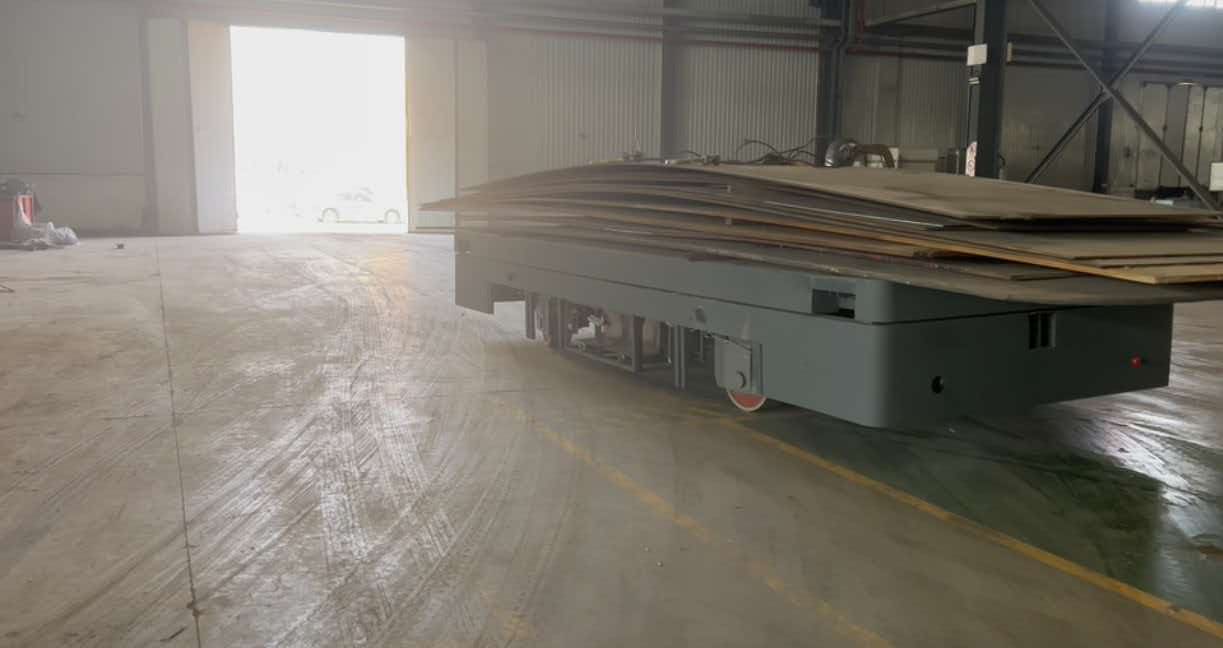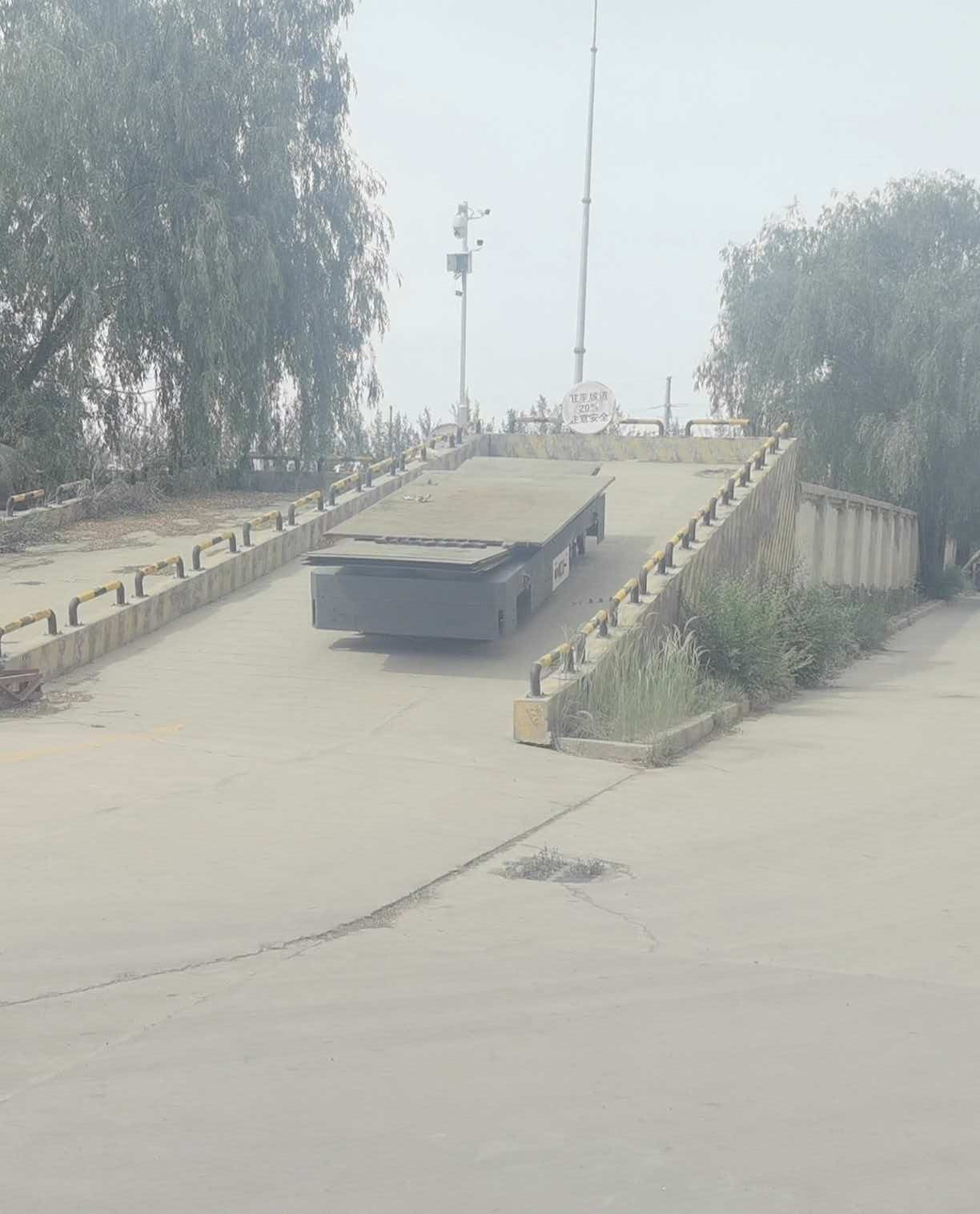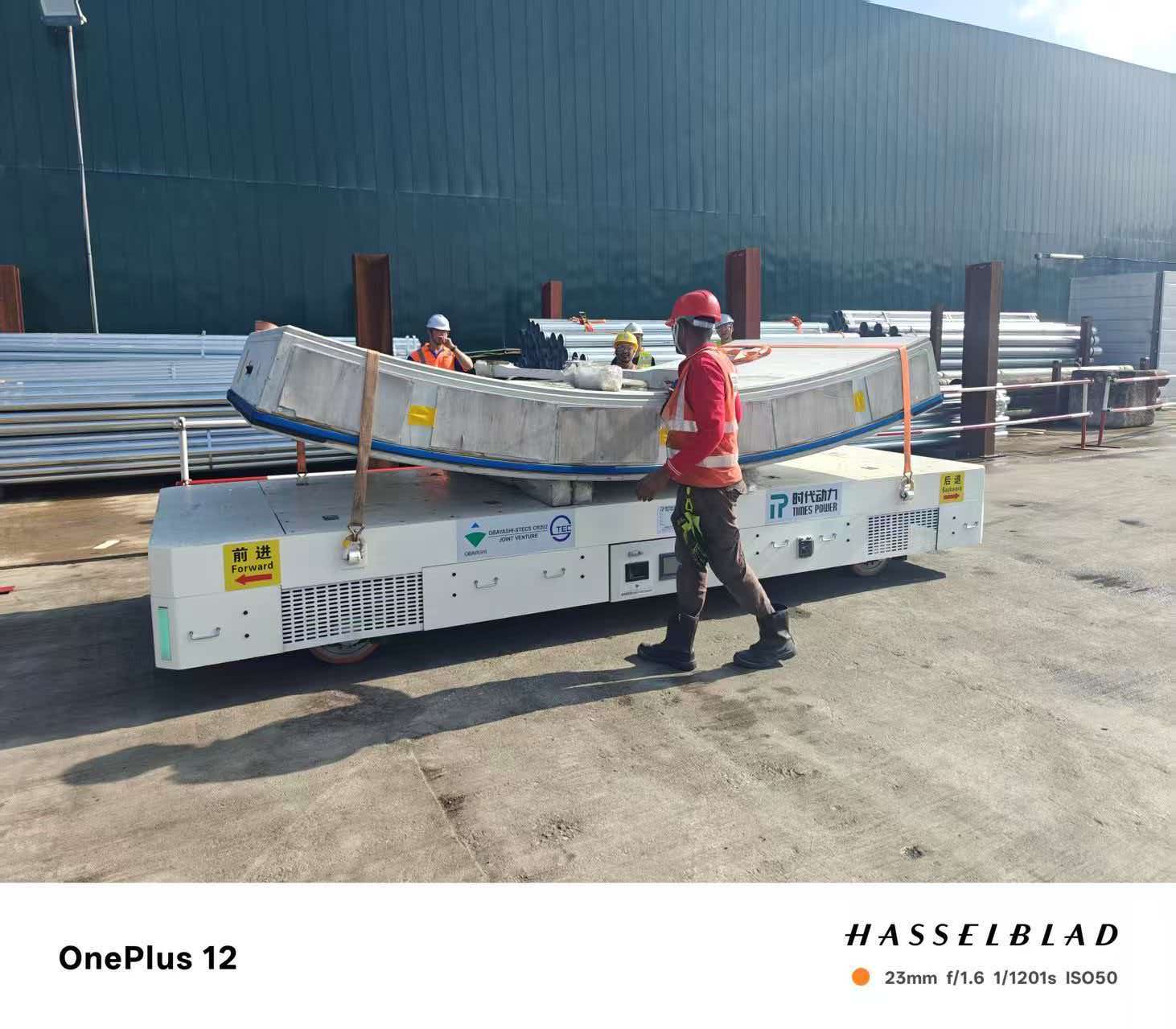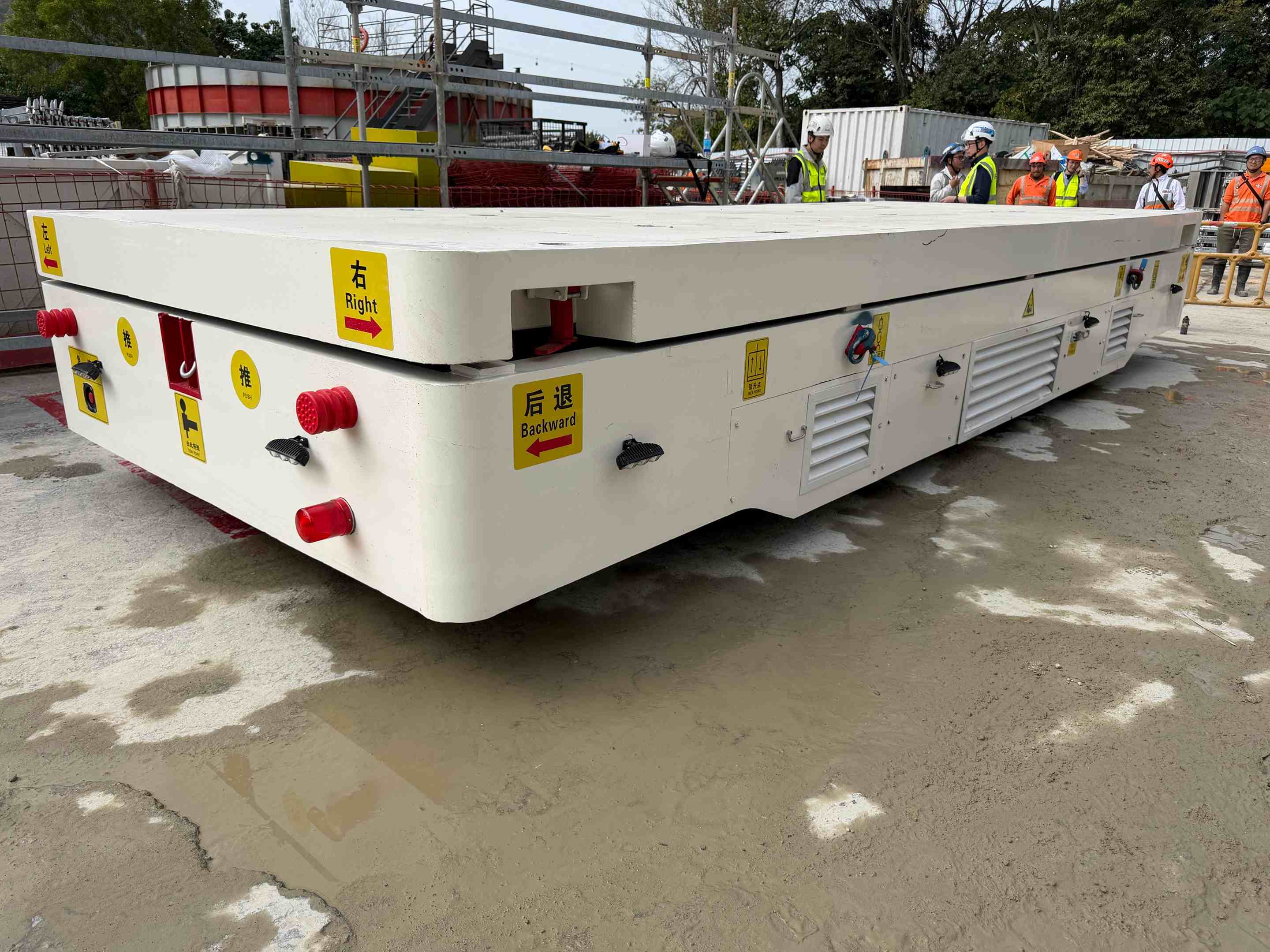
At a tunnel construction site on the Qinghai Tibet Plateau at an altitude of 3500 meters, an unmanned transport vehicle equipped with the Beidou navigation system is crossing a complex geological section with centimeter level positioning accuracy. This transportation process, which used to require 20 drivers to work in shifts, now only requires 3 technicians to remotely monitor. This scene reflects the revolutionary changes happening in the field of tunnel construction transportation equipment - intelligent equipment is reconstructing the transportation ecology of underground engineering.
Traditional trackless transportation equipment is undergoing a transformative technological innovation. The new generation of electric dump trucks adopts dual motor drive technology, which increases torque output by 40% compared to diesel models, and can maintain stable output even under extreme slope conditions of 12%. The actual test data of a certain project shows that the energy consumption cost of transport vehicles using permanent magnet synchronous motors has been reduced by 65%, and the carbon dioxide emissions have been reduced by 8.5 tons per 10000 ton kilometers. During the construction of Zhengzhou Metro Line 12, articulated mining trucks equipped with automatic weighing systems improved transportation efficiency by 28% and reduced equipment losses by 17% through real-time load monitoring.
The rail transportation system is breaking through the bottleneck of traditional transportation capacity. The latest battery locomotive adopts lithium titanate battery technology, reducing charging time to 1.5 hours and achieving a range of over 80 kilometers. In the Han Ji Wei River Diversion Project, shuttle type mining cars equipped with wireless communication systems achieved intelligent linkage of transportation and grouping, compressing single cycle time by 22%. More noteworthy is that the electric locomotive using variable frequency control technology has achieved stepless transmission in the speed range of 0-15km/h, reducing the starting current for heavy loads by 40%.
The unmanned transportation system has entered the practical engineering stage. A remote control system based on 5G network, with a time delay controlled within 30ms and a positioning accuracy of ± 2cm. In a certain underwater tunnel project in Shenzhen, an unmanned fleet achieved formation operation of 14 devices through V2X vehicle road coordination technology, with a transportation efficiency improvement of 35% compared to manual driving and zero collision accidents. The millimeter wave radar and visual fusion perception system equipped on the device can recognize obstacles with a diameter of 5cm or more within 50 meters.
The intelligent scheduling system is reshaping the transportation management system. The transportation cloud platform introduced in a certain tunnel project collects real-time equipment status data through over 8000 sensors and optimizes transportation capacity using fuzzy neural network algorithms. After the system was running, the equipment utilization rate increased from 63% to 89%, and the empty driving range decreased by 42%. The application of digital twin technology enables managers to rehearse transportation plans in virtual spaces, resulting in a more than 5-fold increase in optimization efficiency.
The new energy power system presents a diversified development trend. During the trial operation of a hydrogen fuel cell transport vehicle in a tunnel in Qingdao, it achieved a low-temperature cold start of -30 ℃ and a range of 450km. What is even more remarkable is the supercapacitor fast charging technology, which allows a certain type of electric vehicle to run for 20 kilometers in 10 minutes, making it particularly suitable for intermittent transportation conditions. The hybrid system improves fuel economy by 30% through adaptive control strategy for operating conditions.
Energy saving technologies are extending their entire lifecycle. A certain type of transport vehicle adopts a regenerative braking system, which can recover 35% of kinetic energy on downhill roads. In terms of lightweight design, the new aluminum alloy frame reduces weight by 22% while ensuring strength, and with low rolling resistance tires, the comprehensive energy consumption is reduced by 18%. In a tunnel on the Sichuan Tibet Railway, the equipment's waste heat recovery system can generate 12 tons of 60 ℃ hot water per day, meeting the living needs of the construction site.
Standing at the forefront of intelligent construction in underground engineering, tunnel transportation equipment is undergoing a dual transformation from mechanization to intelligence, and from high carbon to low-carbon. 5G、 The integration and application of technologies such as artificial intelligence and new energy not only improves transportation efficiency, but also reconstructs the underlying logic of construction organization. In the future, with breakthroughs in cutting-edge technologies such as quantum communication and room temperature superconductivity, tunnel transportation may achieve the ultimate goal of complete unmanned and zero emission. In this silent underground revolution, transportation equipment has evolved from simple material handling tools to intelligent engines that drive the high-quality development of tunnel engineering.